About us
Gecai Culture stands at the forefront of bringing the past to life through our state-of-the-art Animatronic Dinosaurs, enchanting Animatronic Creatures, vibrant Chinese Festival Lanterns, and tailored Custom Products. As a professional manufacturer nestled in the heart of China, we harbor a deep-seated passion for showcasing our lifelike dinos and animals in museums, exhibitions, zoos, parks, and beyond, aiming to kindle a flame of curiosity and learning in people of all ages.
Get a free quote
Company News
Animatronic Dinosaur Guide: Appearance, Sound, or Movement—What Really Brings a Dinosaur to Life
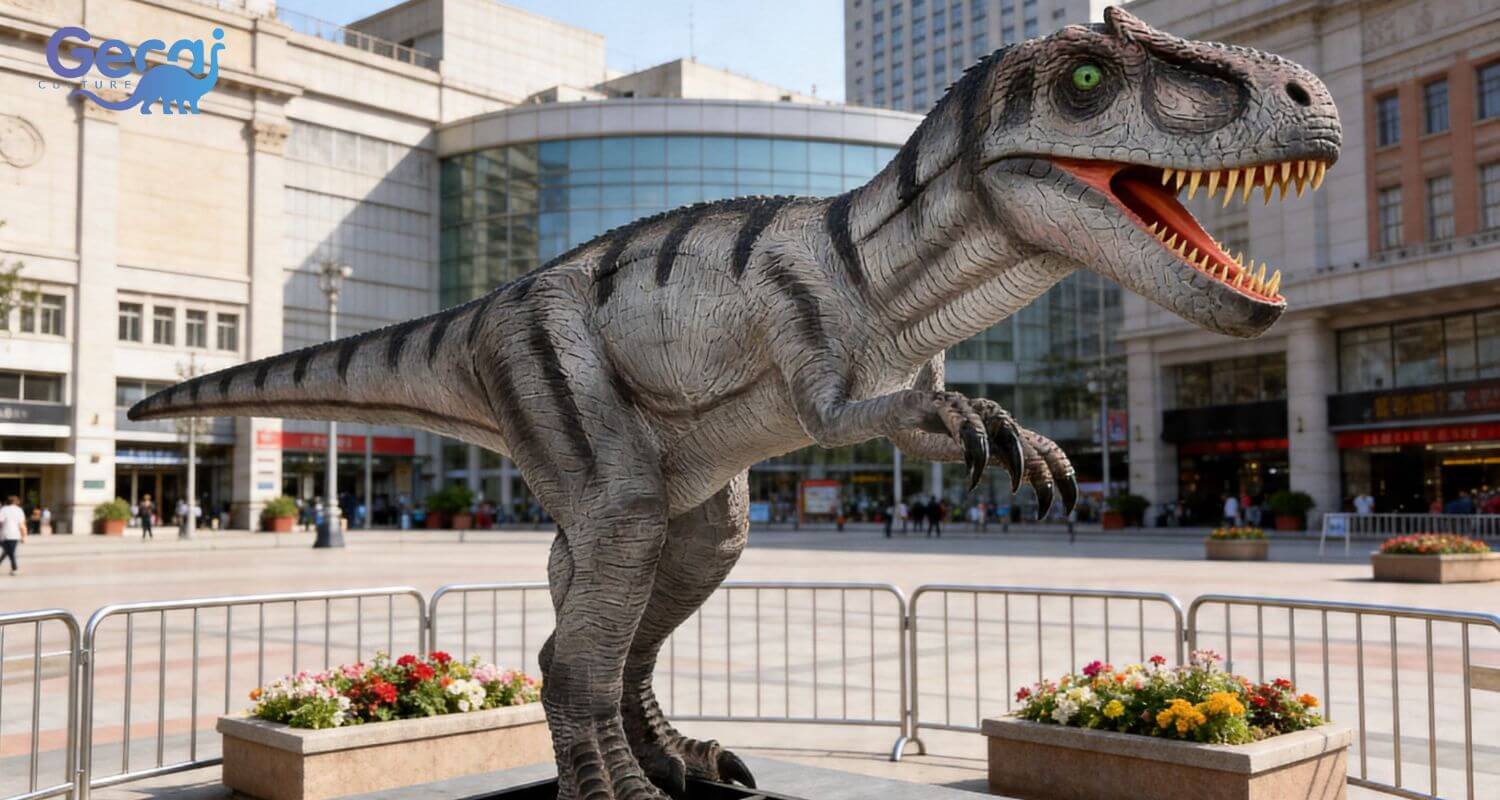 An animatronic dinosaur is not just a model—it's a performance frozen in a loop, a carefully engineered illusion that convinces visitors they've stepped into another era. Some dinosaurs stun with their lifelike skin, others roar through the air like thunder, and some move with a quiet, uncanny rhythm that makes people take a step back.
But here's the real question: what actually matters most—appearance, sound, or movement?
The answer isn't as simple as picking a winner. It's more like tuning an orchestra—each element plays a role, but depending on the stage, one instrument may need to lead.
Appearance: The First Strike of Visual Impact
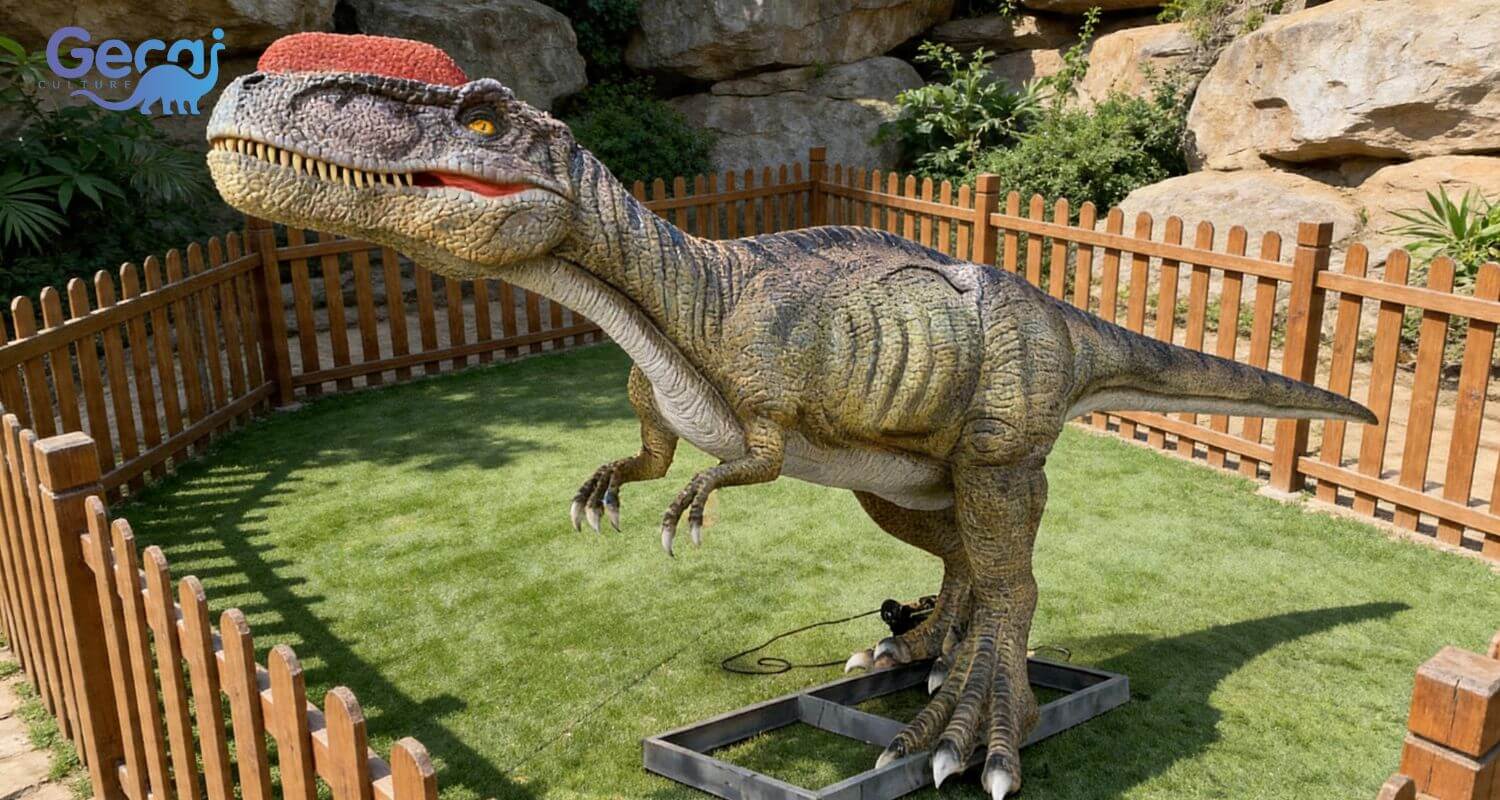 Before a dinosaur moves or makes a sound, it is judged in a single glance.
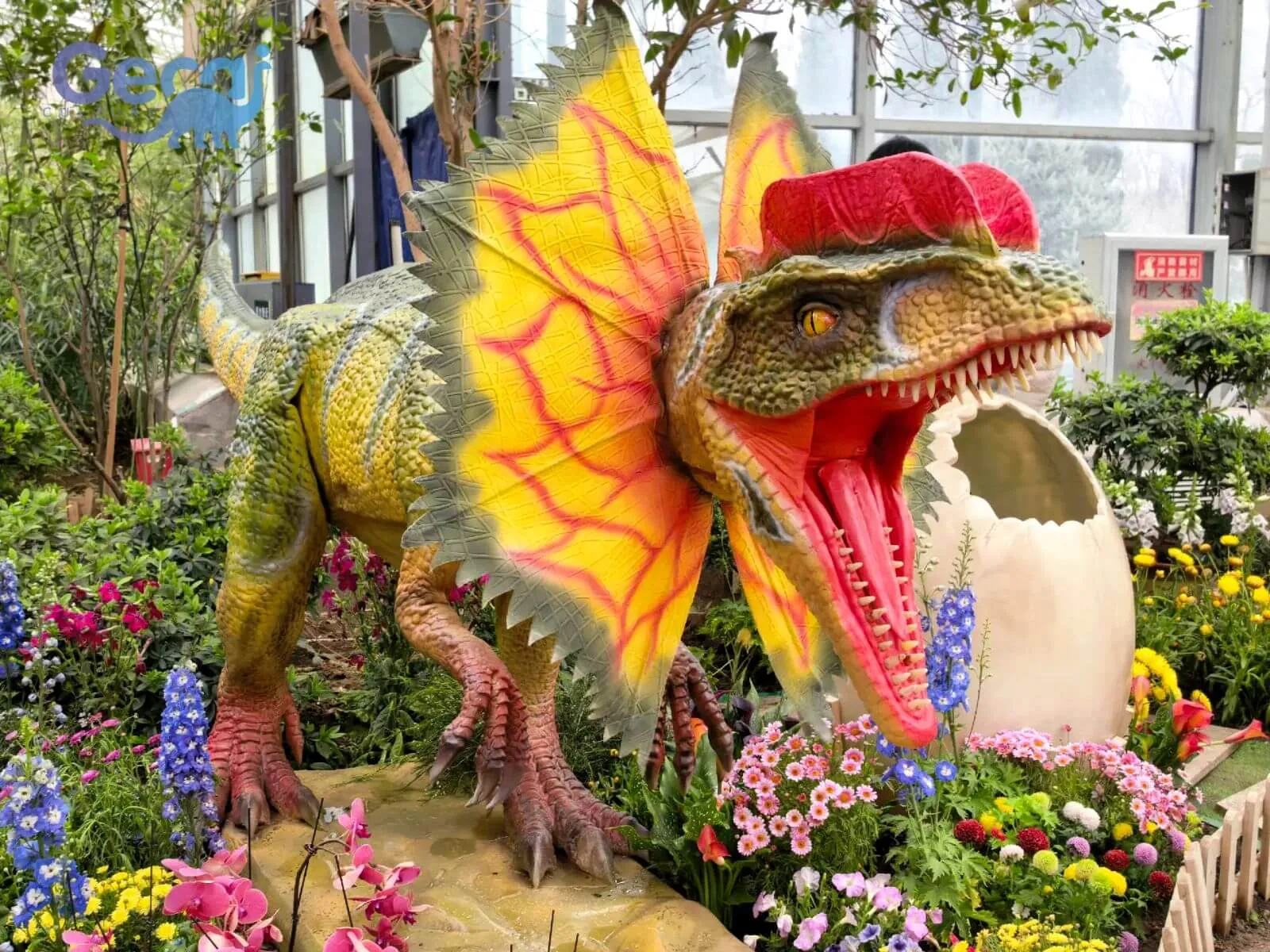
A well-crafted appearance does more than look "real" —it convinces the brain before logic has time to interfere. Fine skin textures, natural color transitions, visible muscle contours, and detailed eyes all contribute to that moment when a visitor pauses and thinks, "This feels alive."
What Defines High-Quality Appearance?
Material selection: Silicone skin offers flexibility and realism, while fiberglass provides structure and durability
Hand-painted detailing: Layered coloring creates depth instead of flat surfaces
Facial features: Eyes, teeth, and subtle asymmetry add authenticity
Where Appearance Matters Most
Museums and science centers
Indoor exhibitions
Photo-focused attractions
In these settings, the dinosaur doesn't need to chase you—it just needs to convince you.
Sound: The Invisible World-Builder
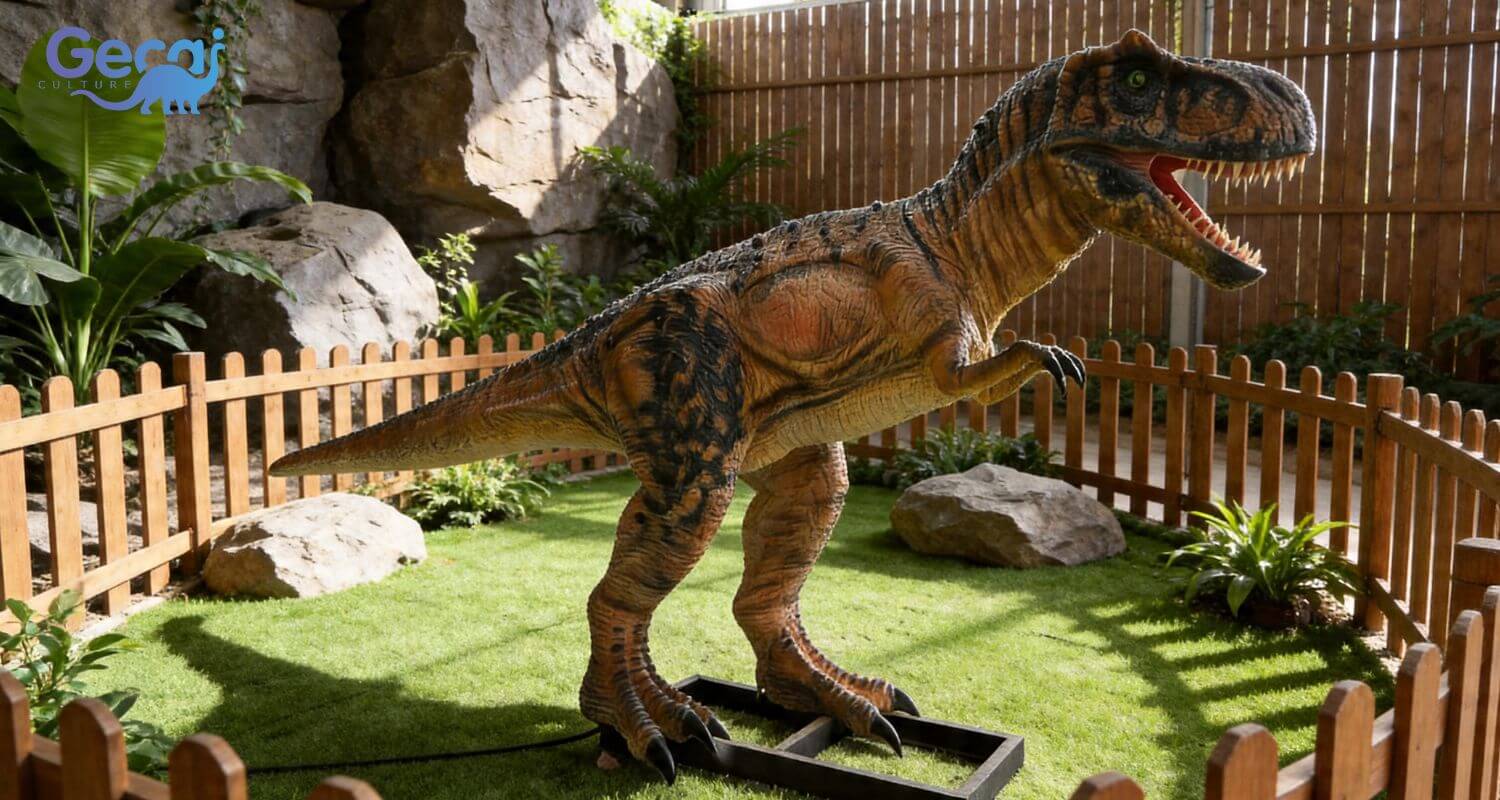 Sound is the element you don't see—but you feel it instantly.
A deep roar rolling through a space can turn a quiet exhibit into a prehistoric scene. Even subtle sounds—breathing, low growls, distant calls—add tension and atmosphere. Without sound, even the most detailed dinosaur can feel oddly silent, like a paused movie.
Key Factors in Sound Quality
Speaker placement: Hidden but directional for realism
Audio clarity: Clean, layered sounds instead of distorted noise
Synchronization: A roar that matches the mouth movement makes all the difference
Where Sound Takes the Lead
Dark rides and immersive tunnels
Themed attractions and storytelling environments
Sound doesn't just support the experience—it shapes it. It tells visitors how to feel before they even process what they see.
Movement: The Illusion of Life
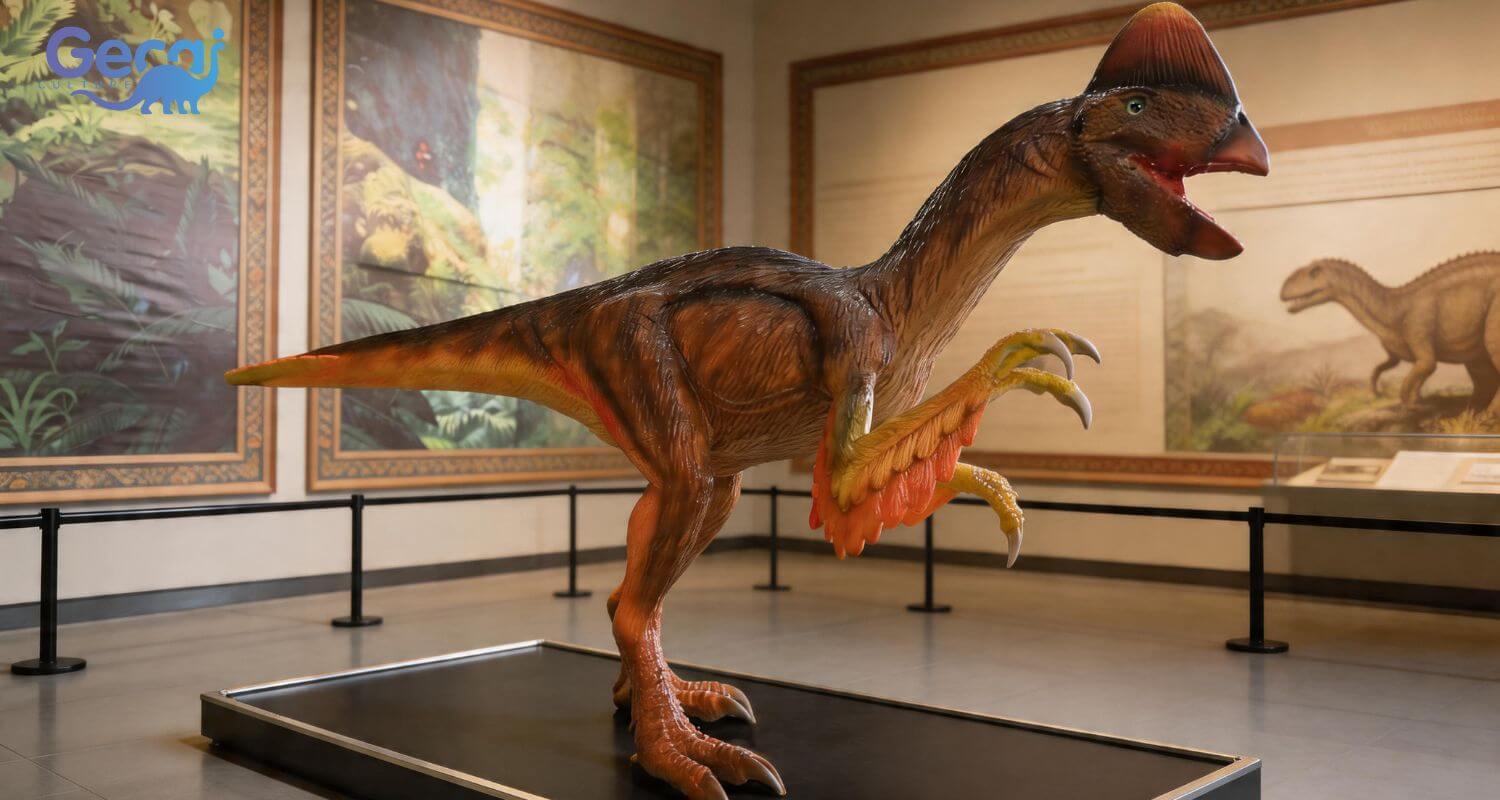 If appearance is the face and sound is the voice, then movement is the heartbeat.
The moment a dinosaur turns its head, blinks, or slowly opens its jaw, something shifts. It stops being an object and starts becoming a presence. Movement introduces unpredictability, and that's what makes people react.
Types of Movement
Basic: Head rotation, mouth opening, tail swinging
Advanced: Walking, breathing simulation, blinking
Interactive: Motion sensors triggering responses when visitors approach
Technology Behind the Motion
Electric systems: Stable, energy-efficient, suitable for most applications
Hydraulic systems: More powerful, ideal for large-scale or complex movements
Where Movement Matters Most
Theme parks and outdoor attractions
Interactive exhibits
Live shows and performance-based installations
Movement is often the deciding factor in engagement. A dinosaur that moves doesn't just get noticed—it gets remembered.
Appearance vs. Sound vs. Movement: Which One Wins?
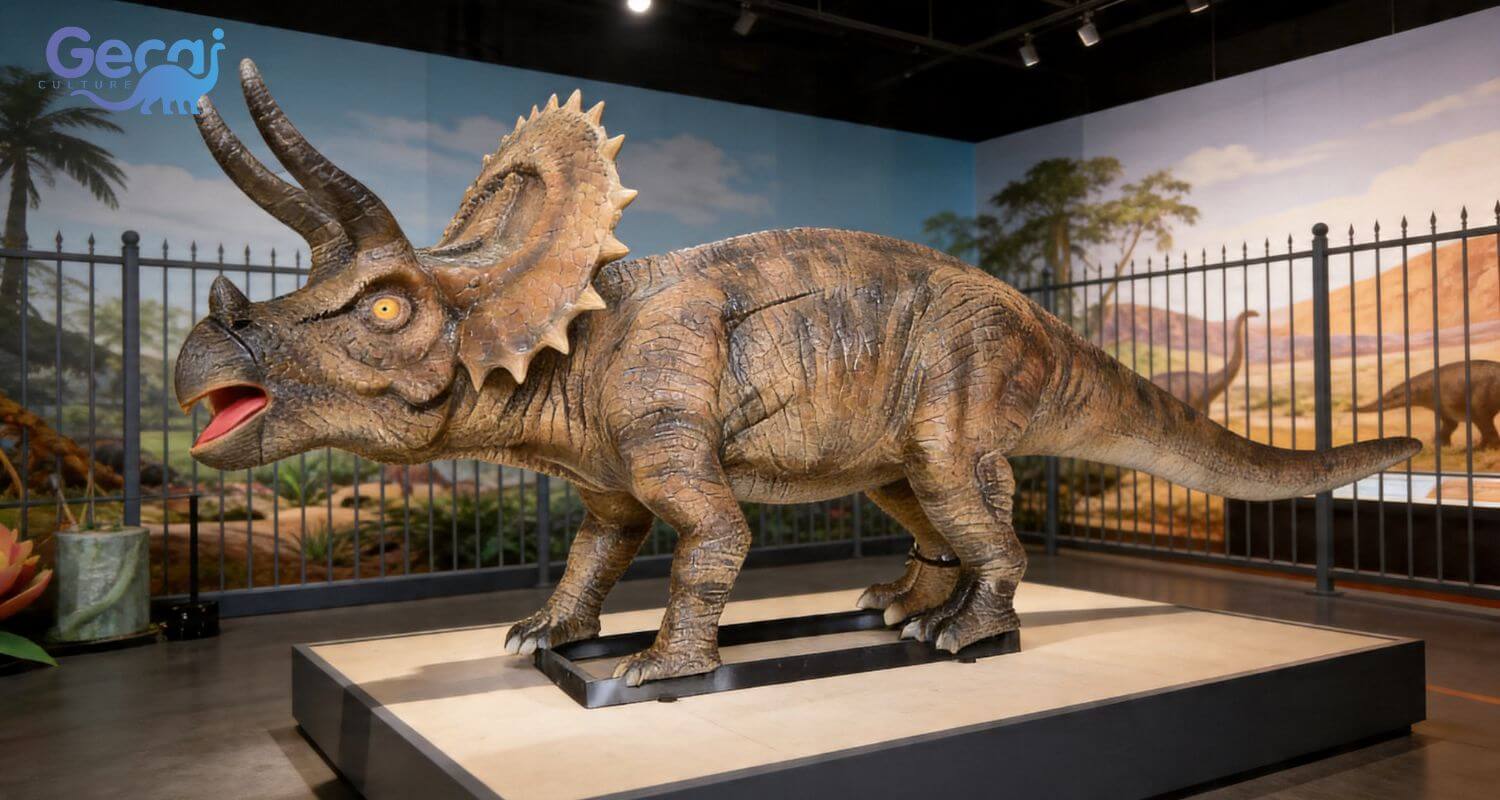 Here's the honest answer: none of them win alone.
Each element dominates in different scenarios:
Appearance captures attention instantly
Sound builds emotional depth and atmosphere
Movement creates realism and interaction
If you had to prioritize:
For visual displays, invest more in appearance
For immersive environments, prioritize sound
For high engagement, focus on movement
But the most successful projects don't choose—they balance.
Think of it like this: a dinosaur with stunning skin but no movement feels like a statue. A moving dinosaur without sound feels strangely quiet. A roaring dinosaur without visual detail feels incomplete.
Realism happens when all three align.
How to Choose the Right Animatronic Dinosaur
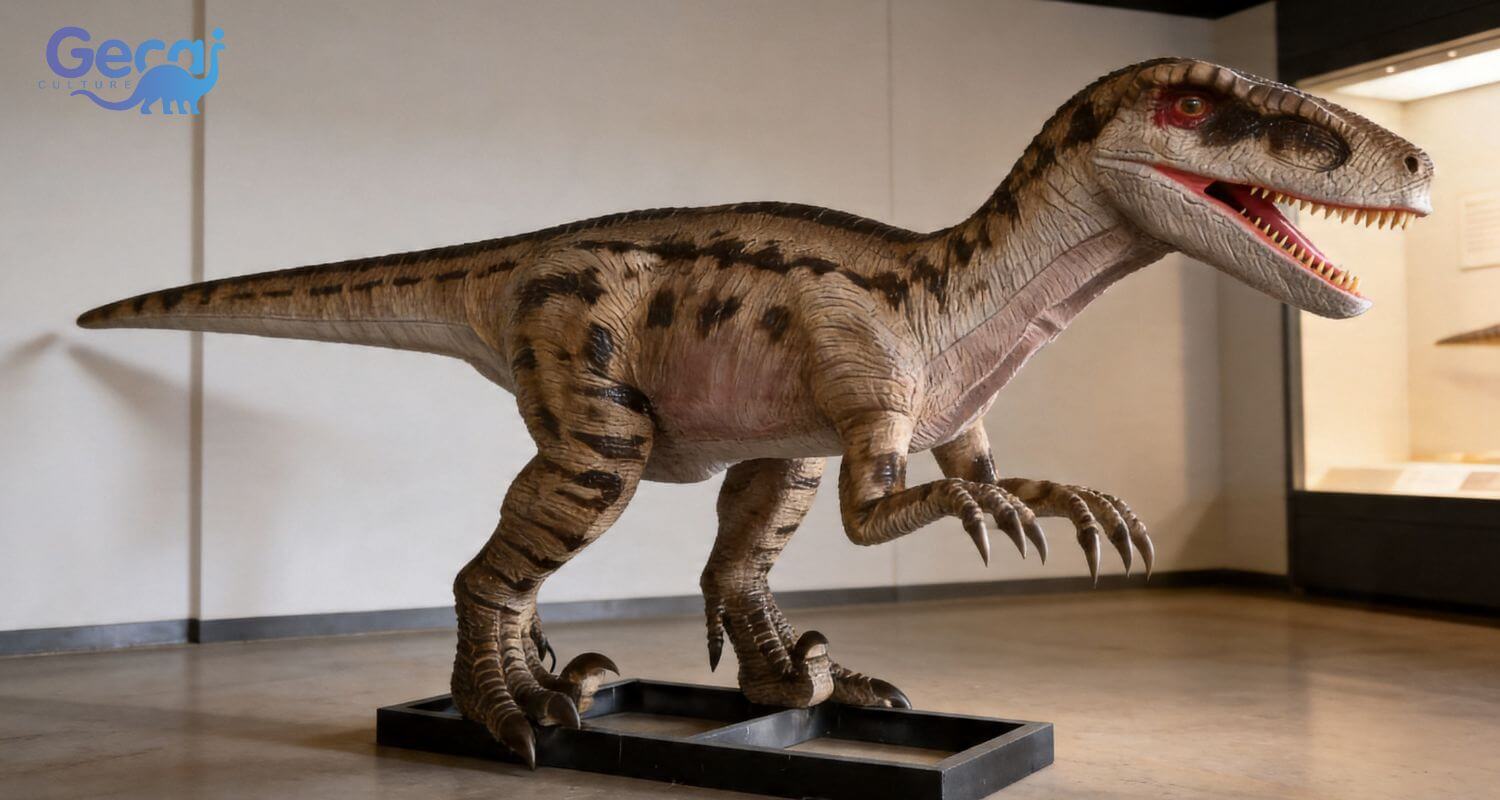 Choosing the right animatronic dinosaur isn't about chasing the "best" feature—it's about matching the product to your goal.
1. Define Your Objective
Education: Prioritize accurate appearance and detail
Attraction: Focus on movement and interactivity
Entertainment: Balance all three elements
2. Consider the Environment
Indoor spaces: Emphasize visual quality and controlled sound
Outdoor settings: Ensure durability and stronger movement visibility
3. Plan Your Budget Strategically
Limited budget? Focus on the element that delivers the most impact for your use case
Flexible budget? Combine appearance, sound, and movement for maximum effect
A smart allocation often outperforms a high budget spent in the wrong place.
Conclusion: Realism Is a Symphony, Not a Solo
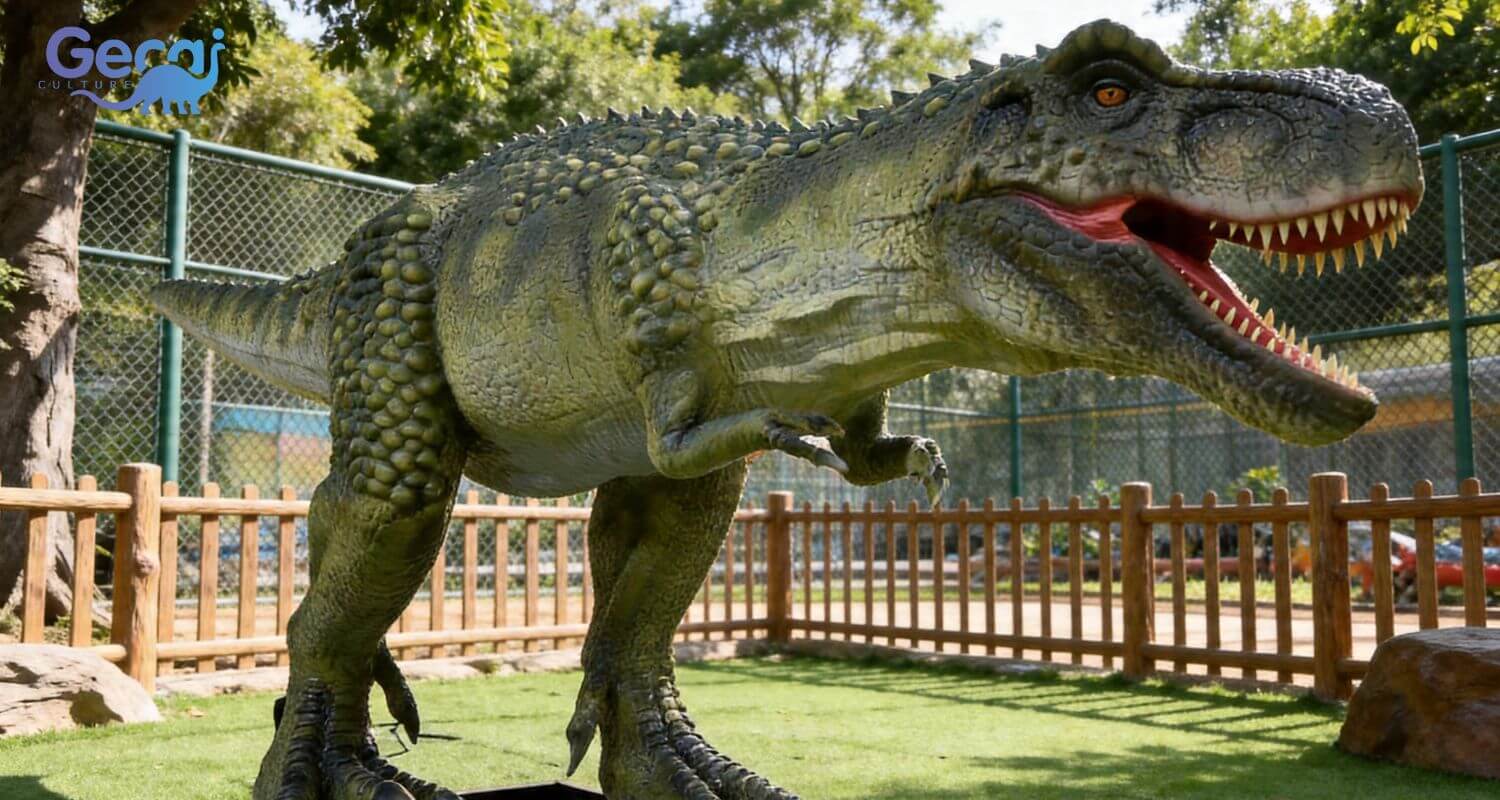 Bringing a dinosaur to life isn't about choosing between appearance, sound, or movement. It's about understanding how they work together.
Appearance draws people in.
Sound shapes the atmosphere.
Movement convinces them it's real.
When these elements align, something remarkable happens—the line between display and experience disappears.
And for a brief moment, in the eyes of your visitors, dinosaurs walk the earth again.
Tags: